
.jpeg)
.jpeg)





International Day for Biological Diversity 2026
International Day for Biological Diversity 2026...
Read more

To mainstream climate change in the economically and socially vulnerable sectors of the economy and to steer Pakistan towards climate resilient development

The NAP was developed through an extensive consultation process—including through national workshops, online surveys, and expert consultations with federal and provincial stakeholders. The plan has benefited from the collective knowledge, experience, and ownership of diverse actors.

The idea of a Living Indus prospectus for the Basin's ecological restoration (within the boundaries of Pakistan) was developed jointly by the Ministry of Climate Change and United Nations in Pakistan under a directive of the Prime Minister's Committee on Climate Change for the Government of Pakistan.

Government of Pakistan (GoP) as a Party to the Paris Agreement of the United Nations Framework Convention on Climate Change (UNFCCC) has performed its role to support the global efforts in combating climate change. GoP takes ownership and pride in submitting an updated Nationally Determined Contributions NDC which is inclusive and represents national consensus to accelerating the transition towards a climate-resilient economy.

The international Carbon Market was first established under the Kyoto Protocol ratified at COP 3 in 1997. The goal was to reduce greenhouse gas (GHG) emissions to pre-1990s level and various regulations were set and defined under the Kyoto Protocol System.
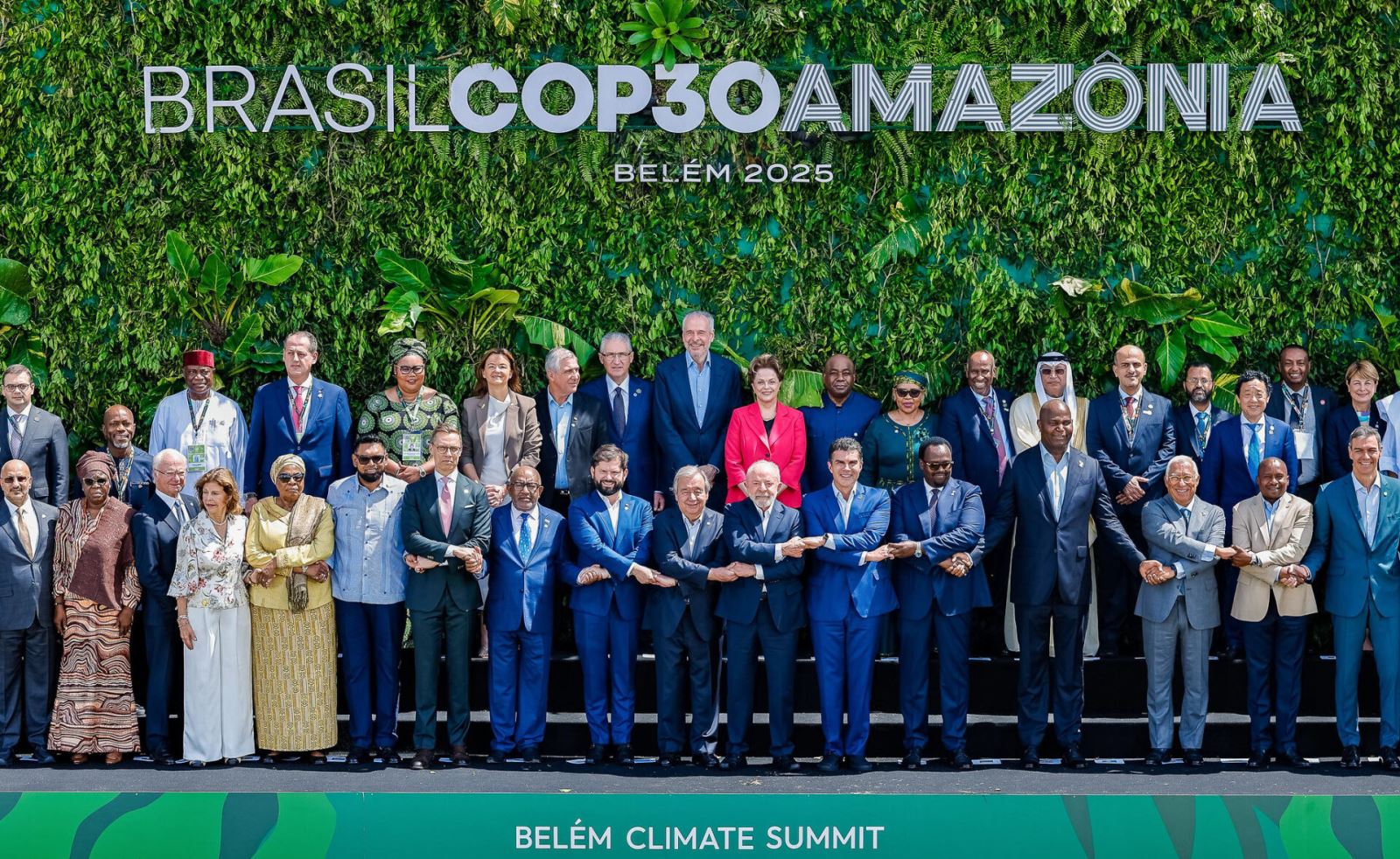
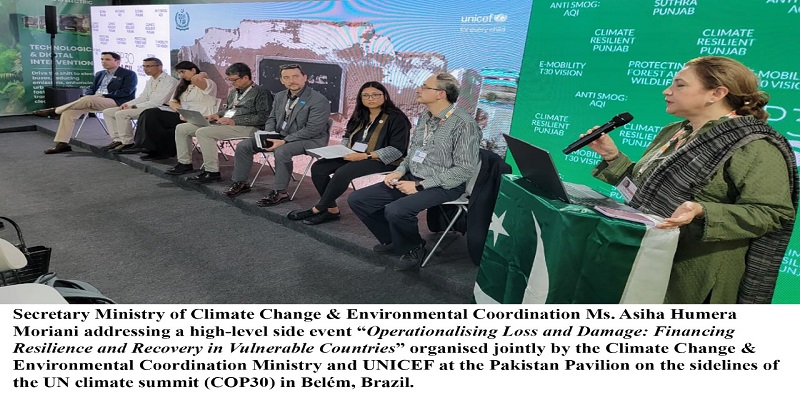
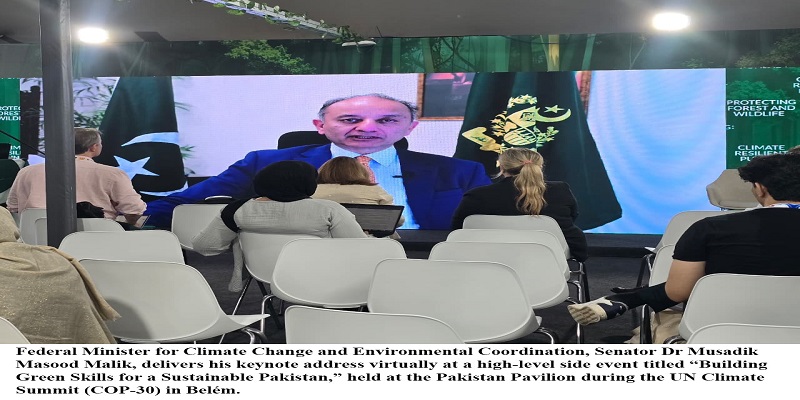
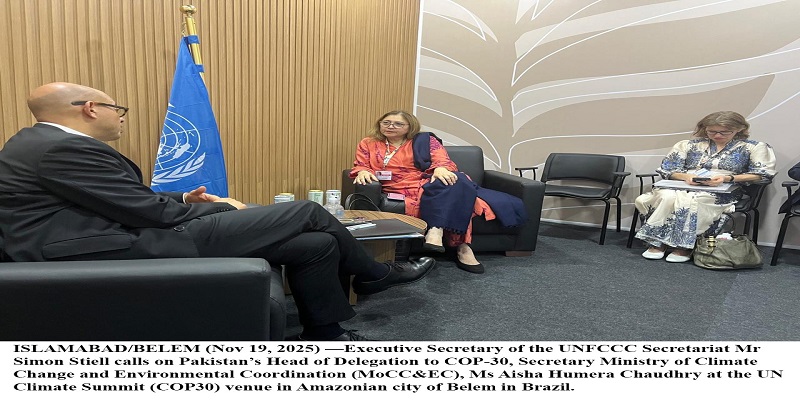
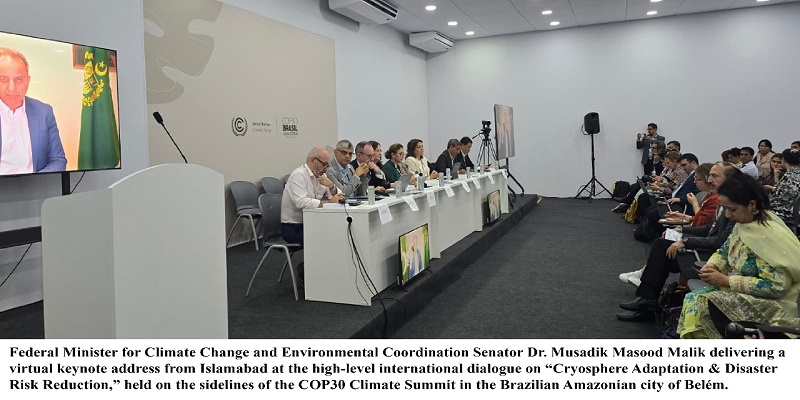
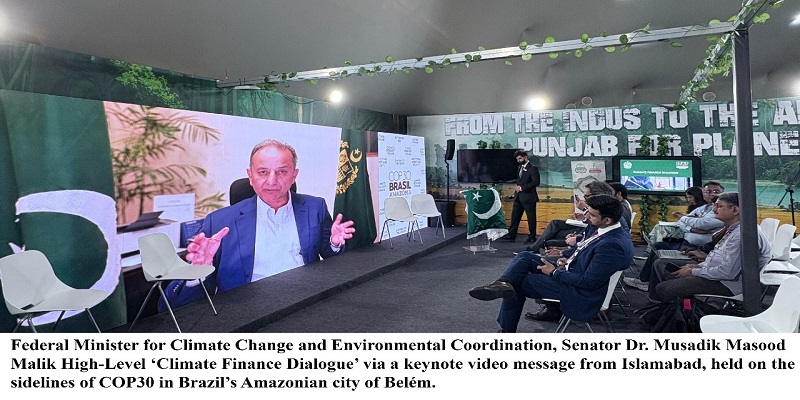
The 30th UN Climate Change Conference (COP 30) concluded in Belém, Brazil, in November 2025. Marking the 10th anniversary of the historic Paris Agreement, the conference delivered the Belém Political Package, which established new goals for climate funding, loss and damage implementation, and a roadmap to scale global climate finance.

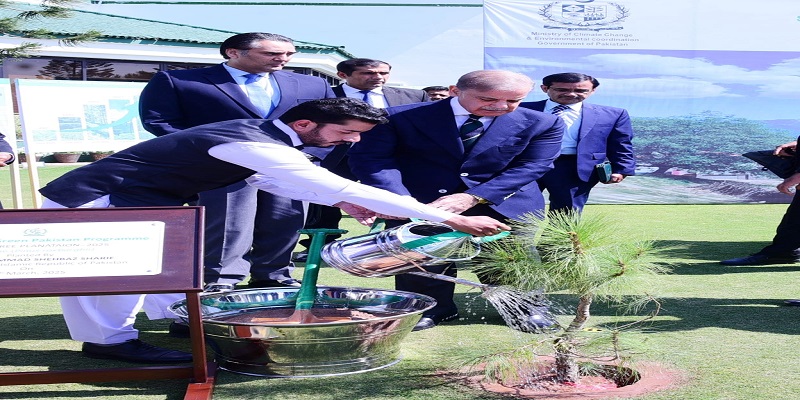
The Green Pakistan Upscaling Programme Phase-1 is a project by Government of Pakistan with the total cost of 125.1843 billion. The project is being implemented across Pakistan by the Ministry of Climate Change along with Provincial and territorial Forest and Wildlife departments.

The Green Climate Fund (GCF) is a fund within the framework of the UNFCCC, which envisages the mechanism to redistribute the money from the developed to the developing world. This money is meant to assist developing countries in adaptation and mitigation efforts to counter effects of Climate Change.
Planning to attend COP31? Visit the accreditation page for details and submit your application.
Accreditation Form Visit COP31 Webpage
International Day for Biological Diversity 2026...
Read more


To mainstream climate change in the economically and socially vulnerable sectors of the economy and to steer Pakistan towards climate resilient development
Read More